

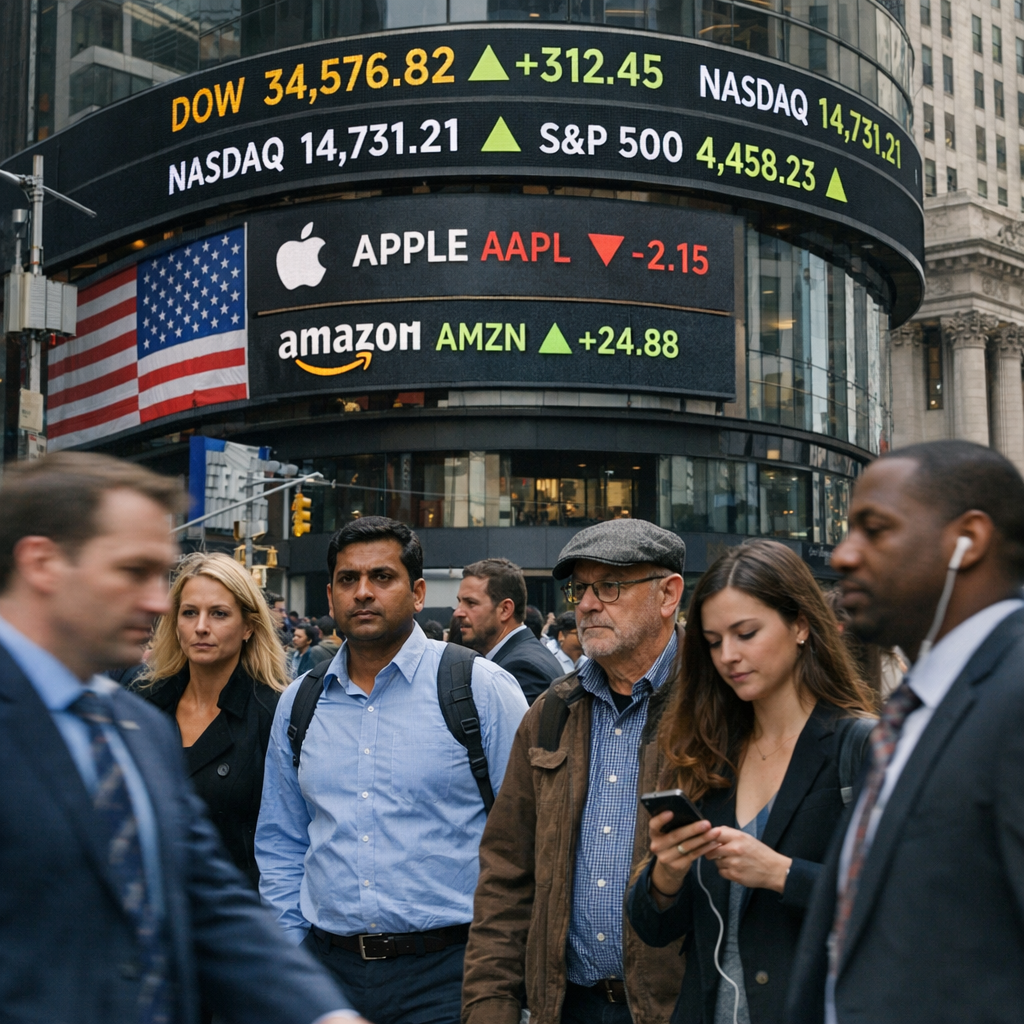
The U.S. economy has demonstrated resilience in recent months, with several indicators pointing towards steady growth. However, underlying challenges suggest the need for cautious optimism.
Economic Growth and Consumer Spending
Recent data indicates that the U.S. gross domestic product (GDP) expanded at a 3% annualized rate over the past quarter. This growth has been largely driven by robust consumer spending, reflecting confidence in the economy’s direction.
Labor Market Dynamics
The labor market continues to add jobs, contributing to a low unemployment rate. However, there is a growing concern over the rise in long-term unemployment, which could have implications for wage growth and overall economic stability.
Inflation and Interest Rates
Inflation rates have remained below their peak but are proving to be stubborn. The Federal Reserve is closely monitoring these trends to inform decisions on interest rates, aiming to balance economic growth with price stability.
Trade Policies and Market Volatility
Recent trade policies, including the implementation of tariffs, have introduced volatility into financial markets. While some sectors have benefited, others face challenges, leading to mixed reactions among investors and businesses.
Looking Ahead
As the economy navigates these complexities, it is essential for policymakers and stakeholders to remain vigilant. Balancing growth with sustainable practices will be key to ensuring long-term economic health.